
What Happens at a BNI Meeting (and Why It’s Structured That Way)
Walking into your first BNI meeting can feel a little different than the typical networking events you might be used to. Most networking involves mingling in a room with a drink in hand, hoping to strike up a conversation that goes somewhere.
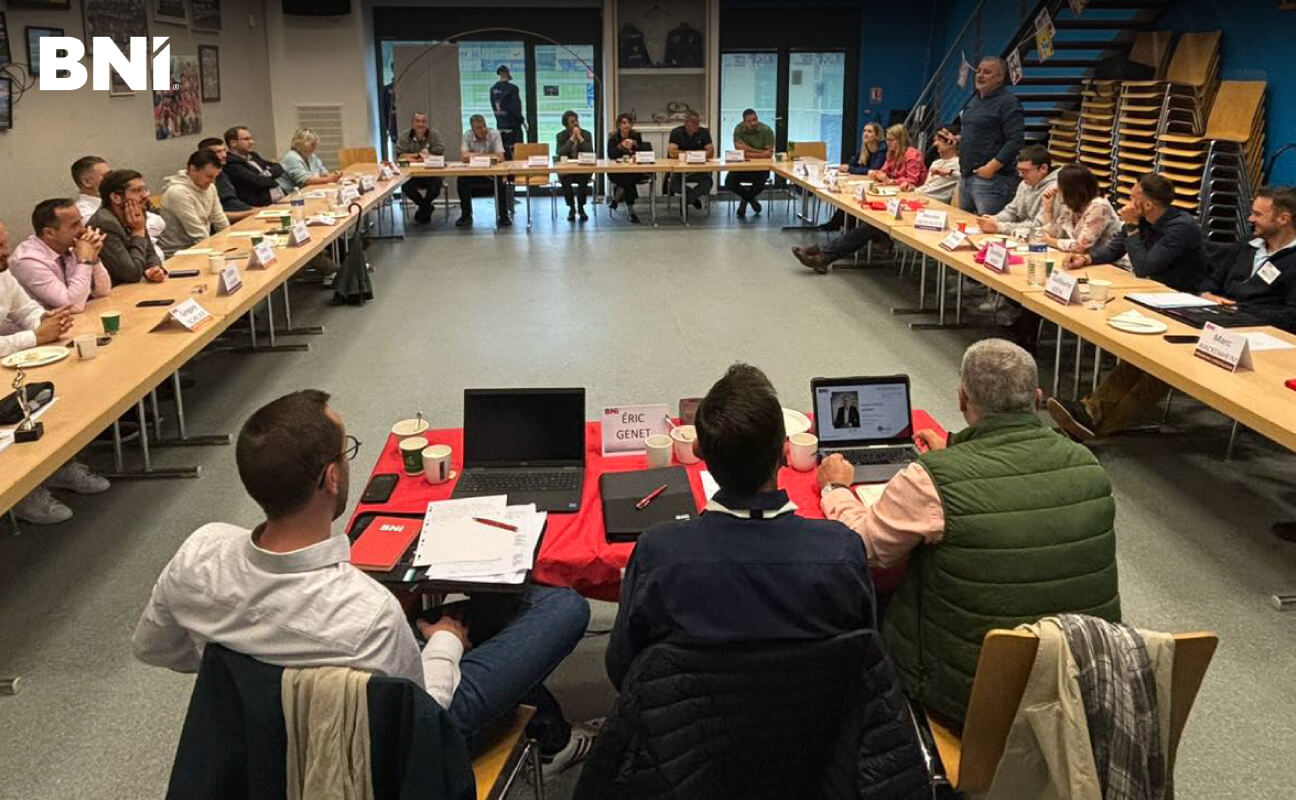
BNI is different. From the moment the meeting starts, there is a clear agenda. Everyone knows where to sit, when to speak, and what the goal is. For some, this level of structure can be surprising. You might wonder, Why is this so organized? Isn’t networking supposed to be casual?
The truth is, casual networking often leads to casual results. The structure of a BNI meeting isn’t there to restrict you; it’s designed to respect your time and maximize the business generated in the room. Every segment of the 90-minute agenda has a specific purpose: to build trust, create clarity, and drive referrals.
Why Structure Comes First
Business growth thrives on consistency. If you want a steady stream of referrals, you need a steady environment in which to build them.
When a meeting lacks structure, the most outgoing voices often dominate the room, while quieter, equally valuable business owners get overlooked. Without a plan, conversations drift, time gets wasted, and you leave wondering if the effort was worth it.
The BNI agenda removes the guesswork. It creates a level playing field where every member gets the same opportunity to educate their referral partners. It ensures that the focus remains on building relationships that turn into revenue, rather than just socializing.
The Weekly Meeting Flow: What Happens and Why
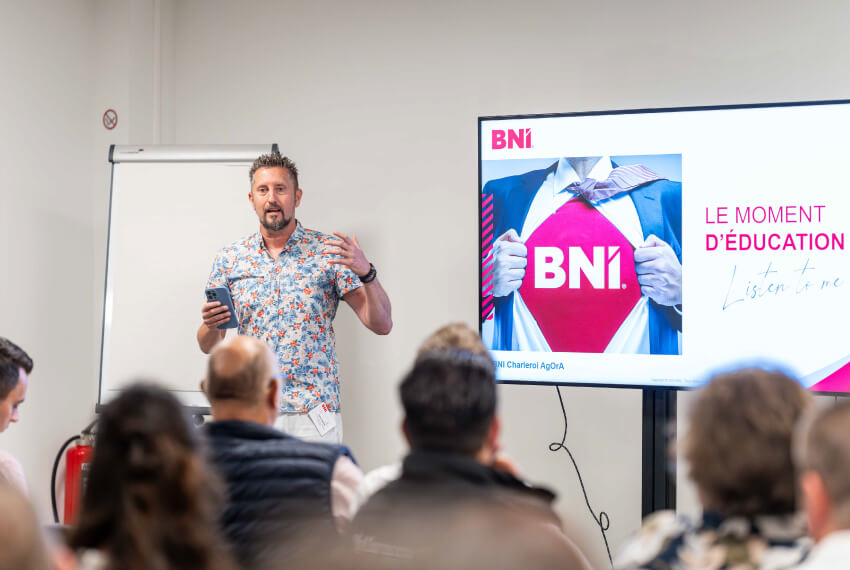
Here is a breakdown of the key components you will experience during a meeting, and the reasoning behind each one.
Open Networking and Welcome
What happens:
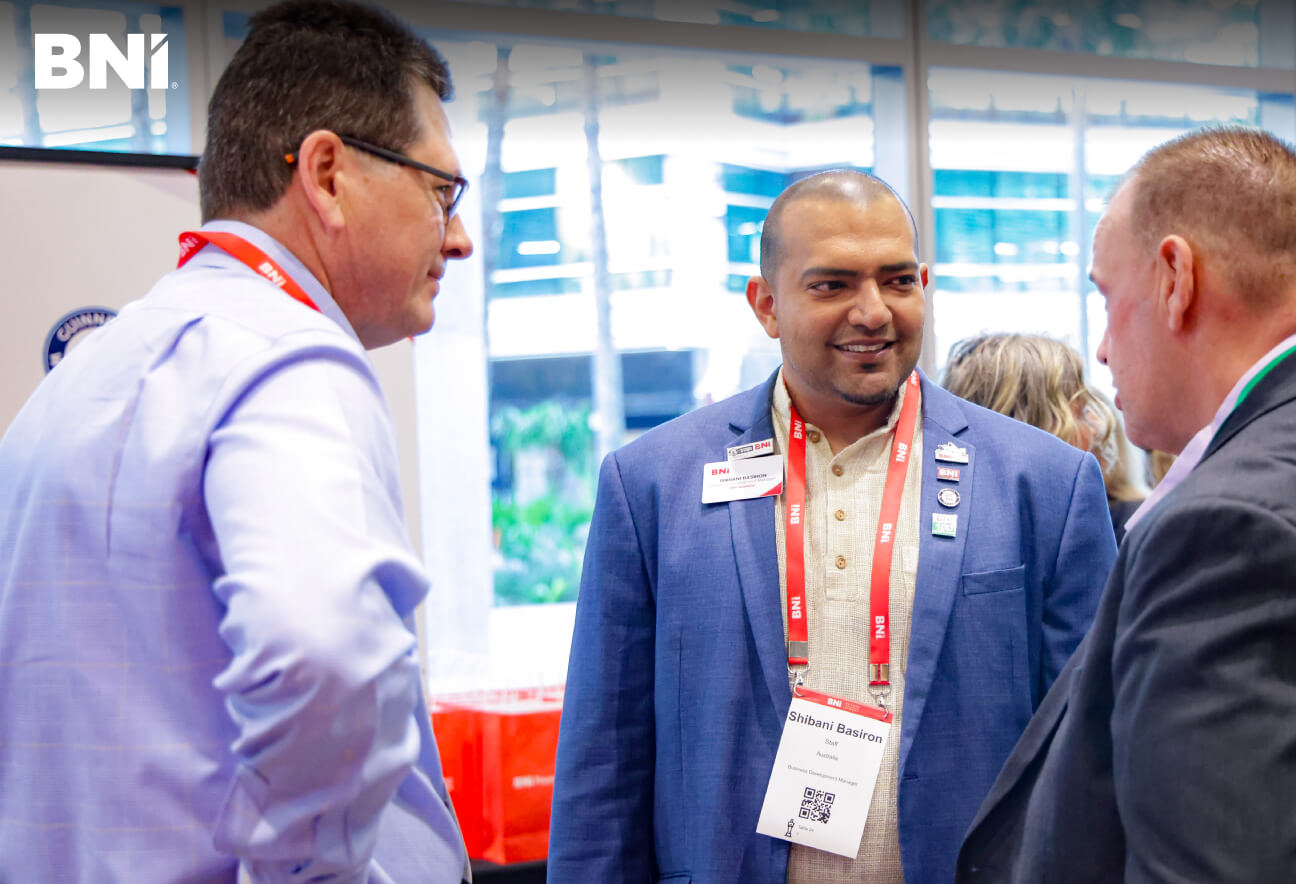
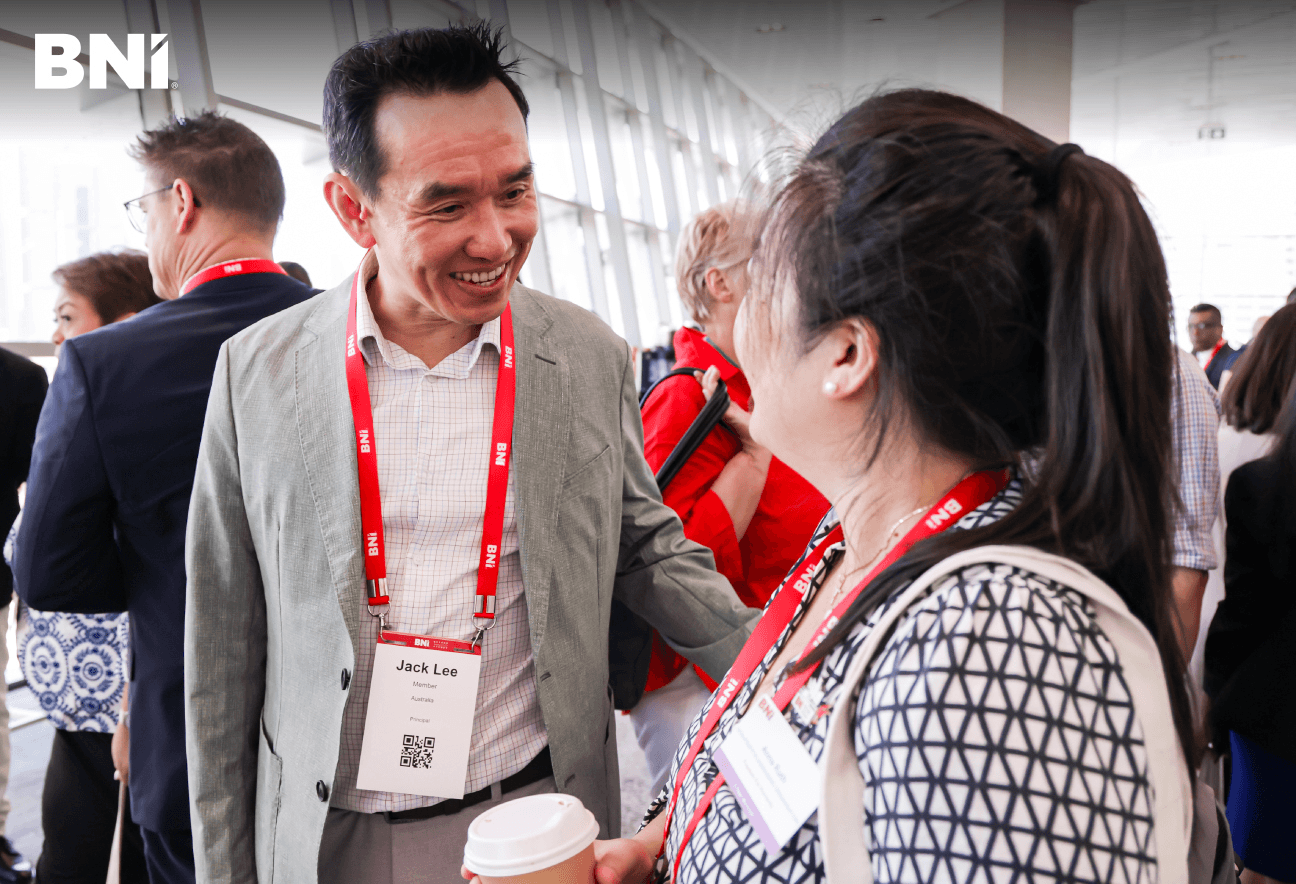
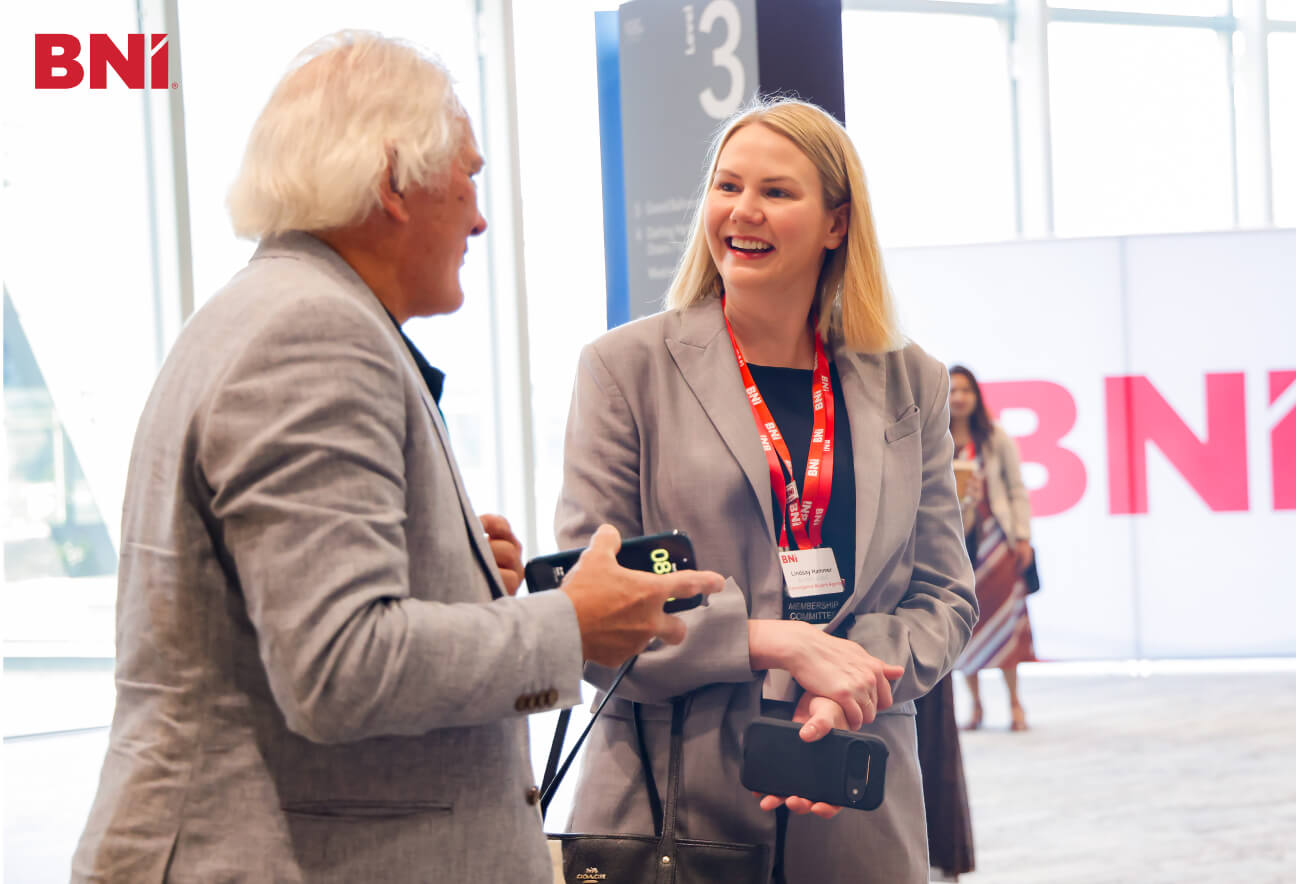
Members arrive before the official start time. This is the period for informal conversation, catching up with friends, and welcoming visitors.
Why it’s structured this way:
Relationships are the fuel for referrals. While the rest of the meeting is structured for business, this segment allows for the organic, personal connection that builds rapport. It also ensures that visitors feel oriented and comfortable before the gavel drops.
Chapter Updates and Member Success Stories
What happens:
The leadership team shares chapter metrics, upcoming announcements, and specific wins from the previous week.
Why it’s structured this way:
Transparency builds accountability. Seeing the numbers (how many referrals were passed, how much business was closed) reminds everyone that the system works. Celebrating success stories reinforces a positive culture and proves that the effort members put in is yielding results. It reinforces confidence in the process and in one another.
Weekly Presentations
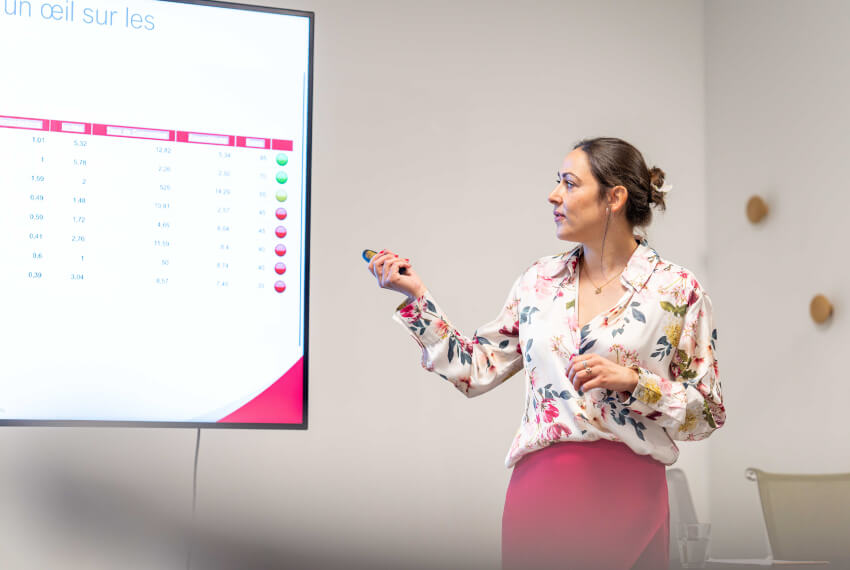
What happens:
Each member has a dedicated moment (usually 30 to 60 seconds) to give a focused update on their business and educate the room on what a good referral looks like for them that week.
Why it’s structured this way:
Clarity is kindness. Your fellow members want to help you, but they can’t refer you if they don’t know what you need right now. This isn’t an elevator pitch to sell to the room; it’s a training session to teach the room how to spot opportunities for you. Regular repetition ensures you stay top-of-mind.
See why 355K+ entrepreneurs choose BNI
Get InvitedFeature Presentation
What happens:
One or two members are given more time (typically 5 to 10 minutes) to go deeper into their business, sharing case studies, personal stories, or detailed explanations of their services.
Why it’s structured this way:
Trust takes time to build. A 60-second update is great for immediate requests, but a feature presentation allows a member to showcase their expertise and credibility. It helps the chapter understand the nuances of that business so they can confidently represent it in the community.
The “I Have” Segment (Referrals and Recognition)
What happens:
This is the heartbeat of the meeting. Members go around the room and pass qualified referrals to one another or offer a testimonial for services used.
Why it’s structured this way:
This reinforces the core philosophy of Givers Gain®. By publicly sharing referrals, members see the impact of their efforts in real time. It creates positive momentum and encourages a culture where helping others is the primary goal.
Education Moment
What happens:
A brief segment dedicated to networking tips, business best practices, or mindset shifts.
Why it’s structured this way:
Networking is a skill, not just a talent. Continuous learning ensures that members are always sharpening their ability to connect and grow. It keeps the chapter focused on improvement without overwhelming the schedule.
Why the Meeting Isn’t “Open-Ended Networking”
Unstructured networking relies on luck. You hope the right person is in the room, and you hope you get a chance to talk to them.
BNI replaces luck with consistency and predictability. The structure ensures equal visibility. Whether you are a seasoned architect or a new graphic designer, you get the same time to speak. Over time, this consistency builds a deep level of trust. Your fellow members know you show up, they know you are professional, and they know exactly how to help you.
What New Members Often Miss at First
If you are new to BNI, the pace can feel fast. The agenda moves quickly because it is designed for efficiency. We know you have a business to run.
It is normal to feel like you are drinking from a firehose in the beginning. However, realize that the meeting is just the starting line. The true depth of the relationships happens outside the meeting, during One-to-Ones (focused meetings between two members). The weekly meeting sets the stage; the One-to-Ones fill in the details.
Results in BNI don’t come from a single meeting, they come from consistency over time. They come from the cumulative effect of showing up, educating your team, and building credibility over months and years.
Frequently Asked Questions
Ans. Business Meetings typically involve introductions, discussions, relationship building, information sharing, and opportunities to collaborate or exchange referrals.
Ans. BNI Meetings follow a structured agenda that allows members to build relationships, exchange referrals, and support one another’s business growth.
Ans. Prepare a brief introduction, understand your goals, and be ready to discuss how you help clients and what types of referrals you are seeking.
What Success Looks Like Over Time