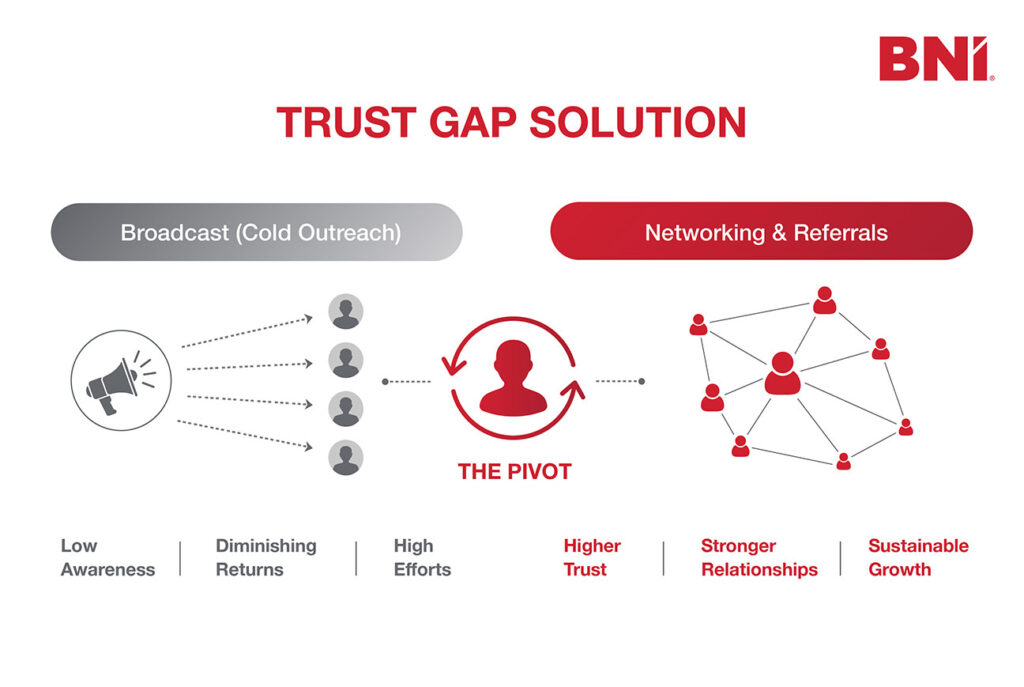


The most effective leaders tend to share one habit that’s easy to overlook because it doesn’t look like leadership on the surface. It looks like paying attention to people. This is the core idea behind relational leadership: the belief that lasting influence gets built through relationships long before it shows up as results.
The strongest leadership rarely gets noticed while it’s happening. It shows up quietly, in the relationships built long before anyone needed to lean on them. By the time people can see the results, the real work already happened months or years earlier. Leadership works this way. The influence that lasts isn’t built on a title or a strategy deck. It’s built on relationships, laid down long before anyone notices the results.
What Relational Leadership Looks Like in Practice
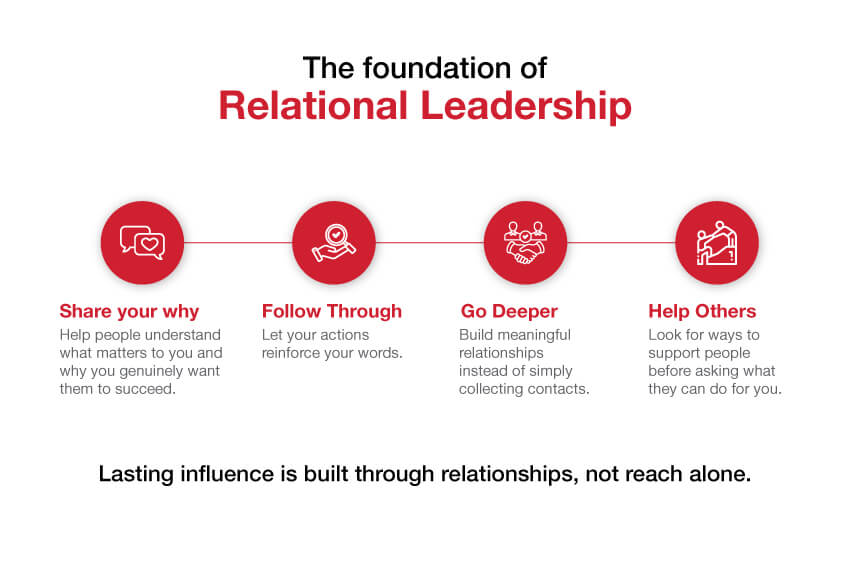
Plenty of leaders spend their energy explaining what needs to happen and how to get there. Fewer spend time on why it matters, and why they personally care about the outcome. That gap is where relational leadership starts to separate itself from management.
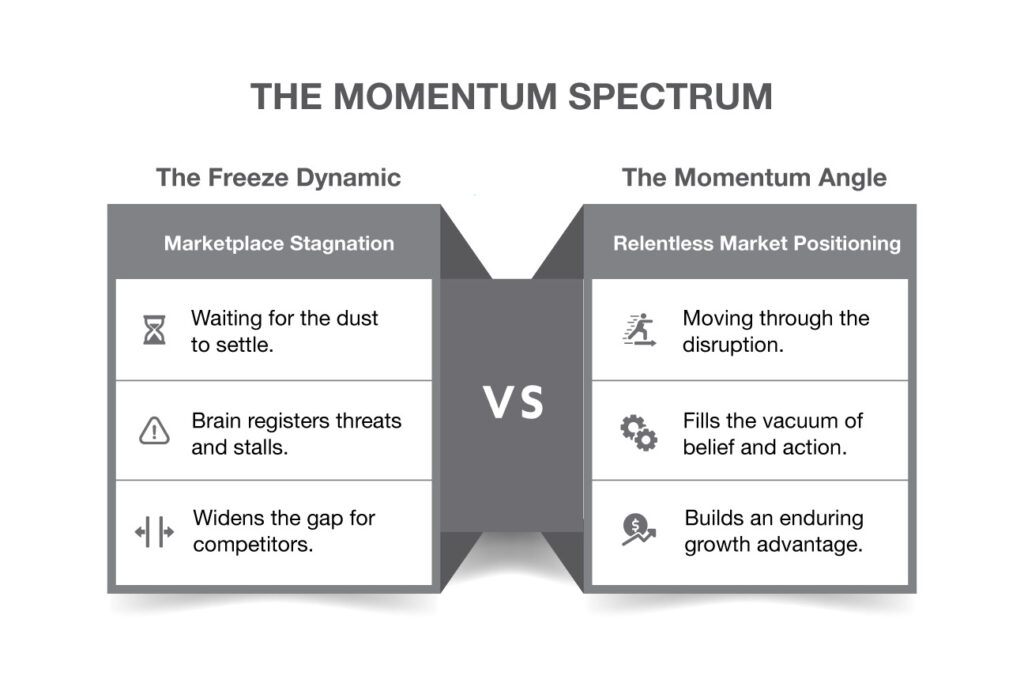
When people don’t understand a leader’s motivation, they tend to assume the worst; that the ask is really about optics, control, or personal gain. Suspicion fills in wherever explanation is missing.
The shift happens when a leader gets specific about their own purpose. Not the mission statement version, the real one. Once people understand why someone genuinely wants them to succeed, resistance tends to soften. They stop bracing for a pitch and start actually listening.
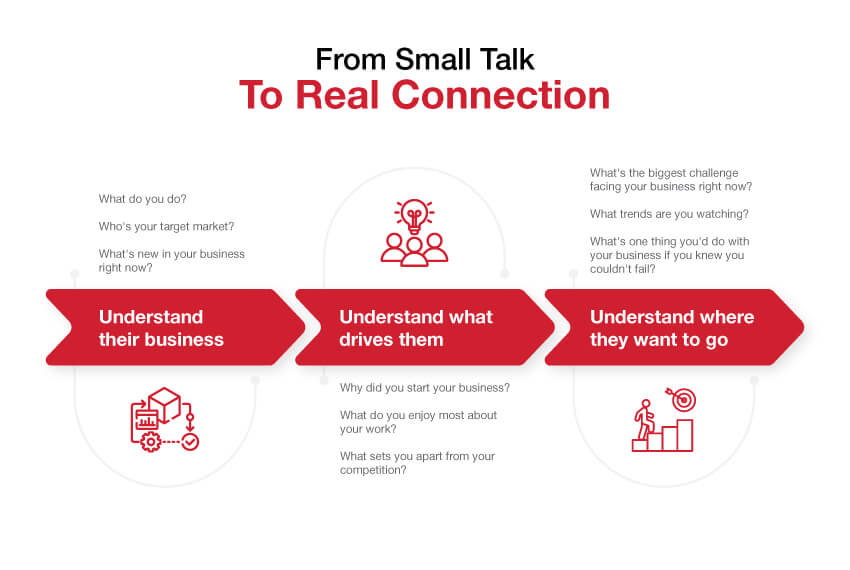
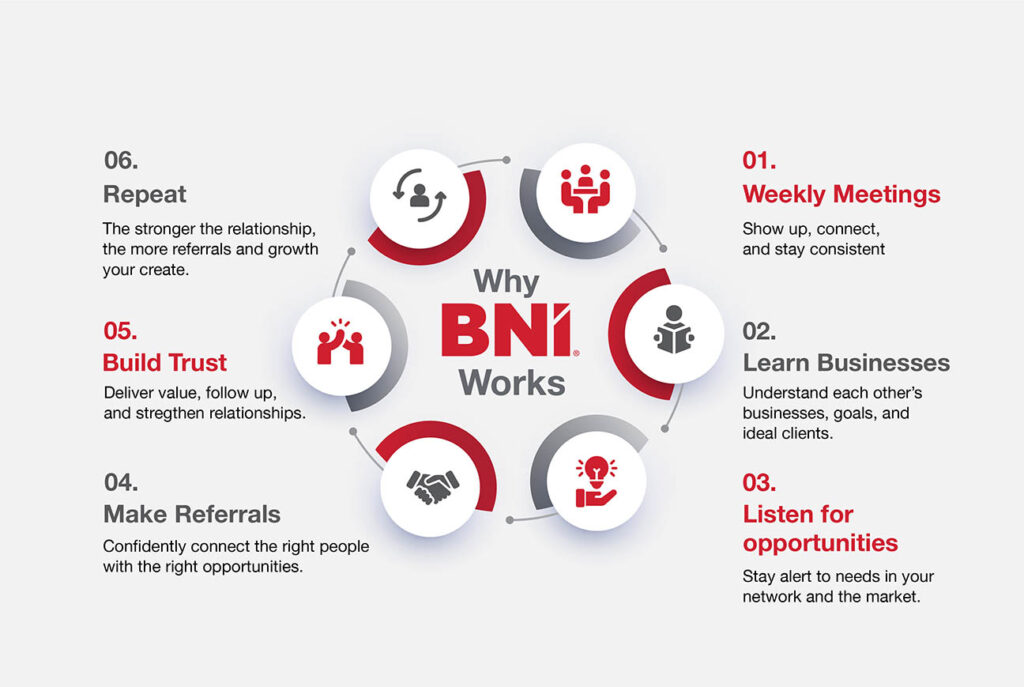
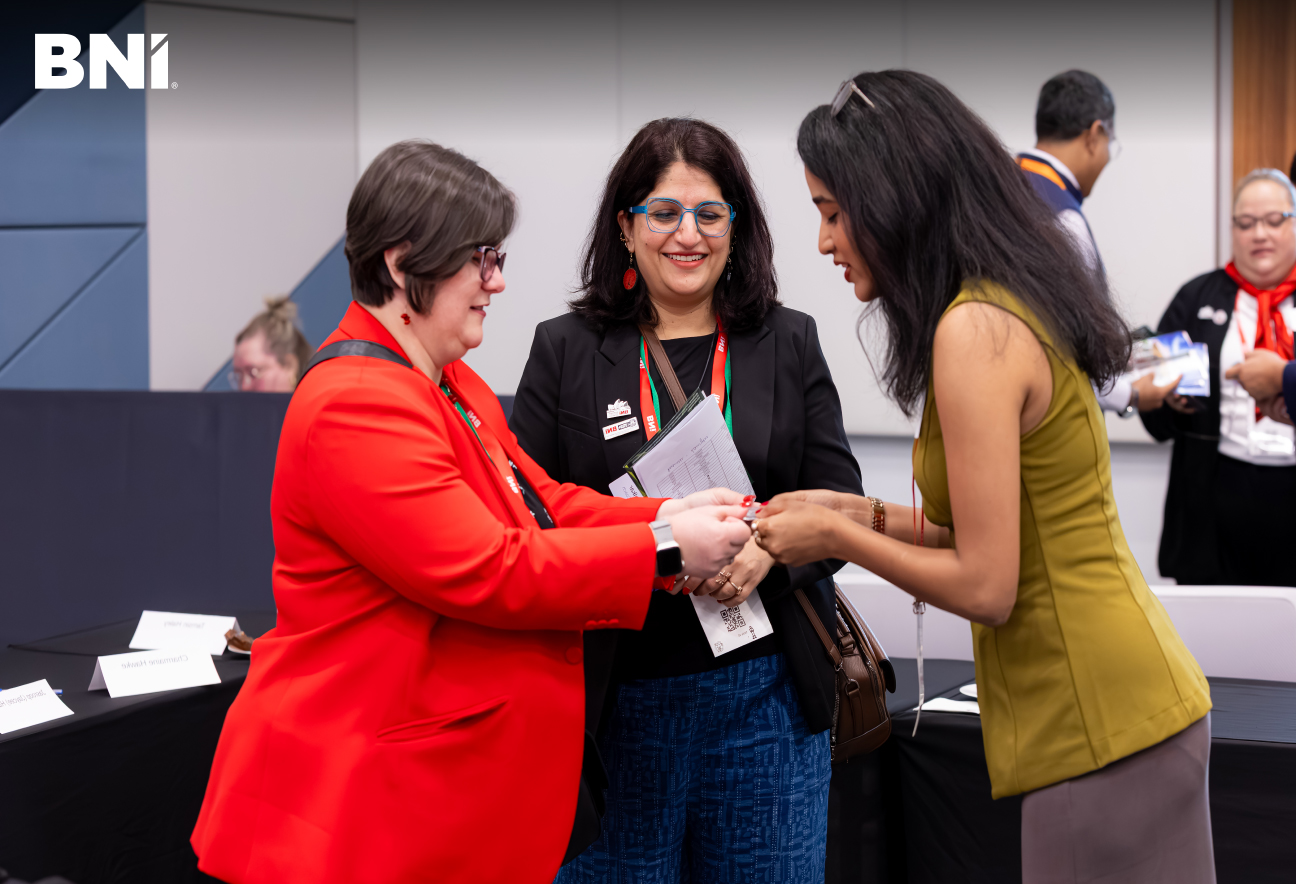
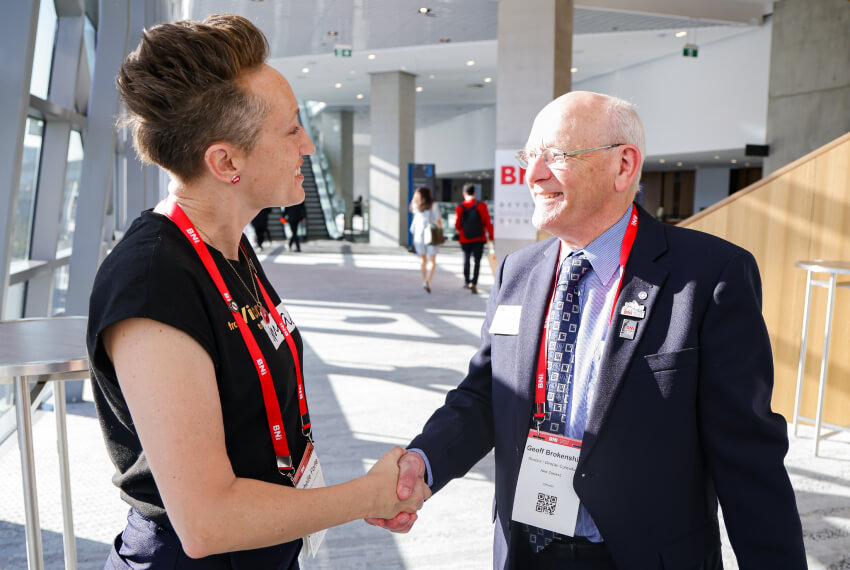
This is one of the reasons BNI structures its meetings around more than referrals. The weekly presentations and one-to-ones give Members repeated chances to explain not just what they do, but why they do it, which is exactly what turns a room of acquaintances into a network people actually trust.
Experience referral networking in action
Get InvitedConsistent Actions Build Leadership Trust
None of this works if it stays at the level of talk. People read behavior far more closely than they read intentions. A leader can say the right things in a meeting and undo all of it with how they show up the next week.
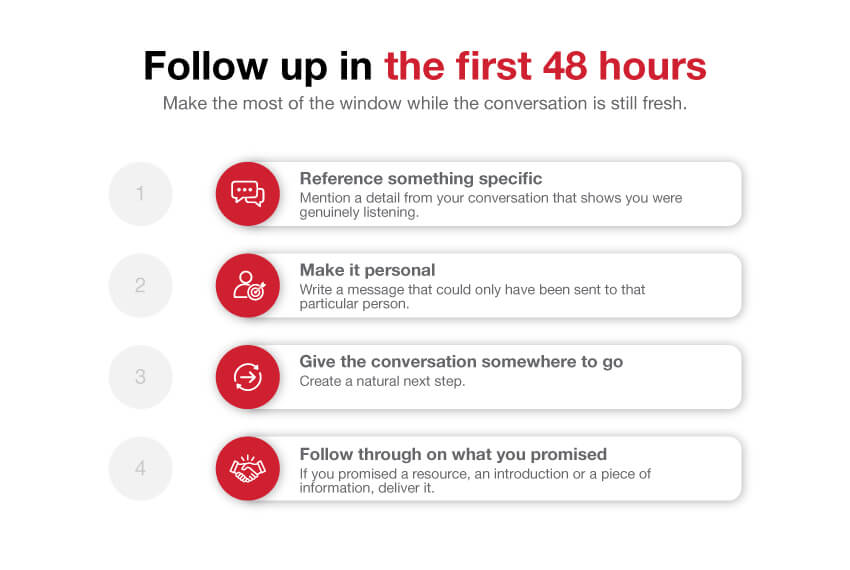
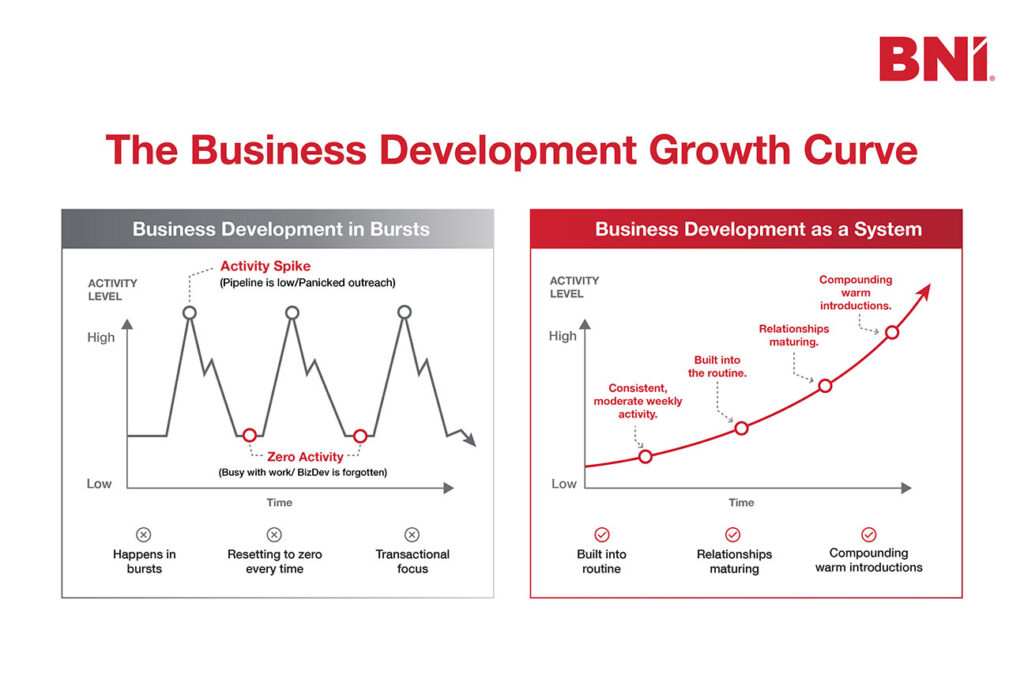
Consistency is what makes relational leadership credible instead of performative. Following through on small commitments, showing up on time, remembering what someone told you last month; these aren’t leadership tactics so much as leadership proof. They’re the evidence people use to decide whether stated values match actual ones.
Building Deeper Relationships Instead of a Bigger Network
A common mistake among leaders and networkers alike is measuring success by reach: how many people know your name, how many connections show up in an inbox.
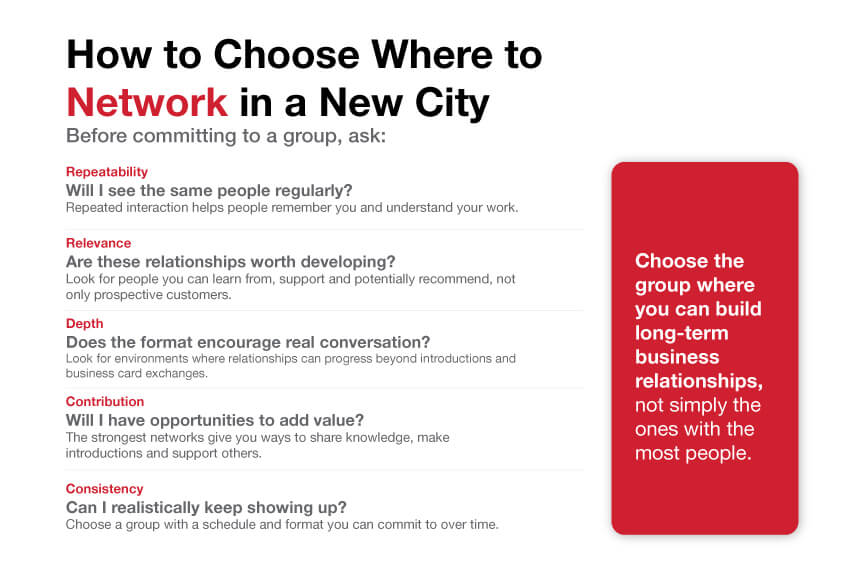
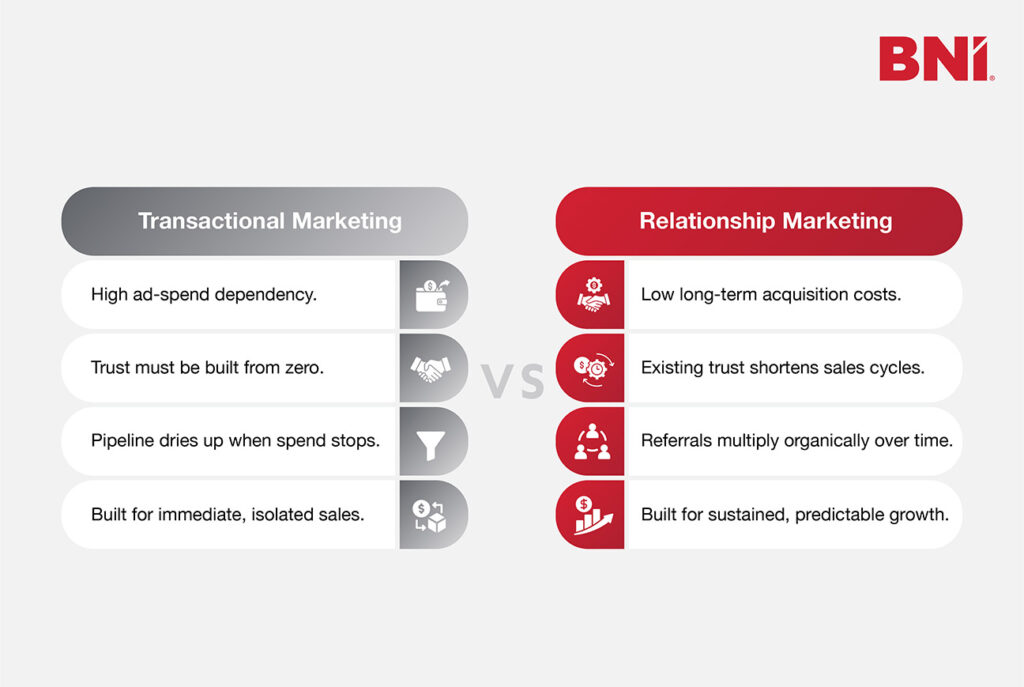
But a wide network with no depth doesn’t actually do much for anyone. It’s a list, not a relationship. The leaders who get real value out of their networks are usually the ones who’ve gone deep with a smaller group of people, not the ones who’ve collected the most contacts. This is part of why trust functions as the real growth asset in any professional network, relational or otherwise.
BNI’s structure reflects that same principle. Chapters limit membership to one person per profession and build in structured one-to-one meetings, which pushes Members toward depth over volume. A handful of people who genuinely understand your business will do more for you than a hundred who vaguely recognize your name., which pushes Members toward depth over volume. A handful of people who genuinely understand your business will do more for you than a hundred who vaguely recognize your name.
Focus on Helping Others, Not Just Getting Help
Most people default to a familiar question when they think about their network: who’s helping me get where I’m going?
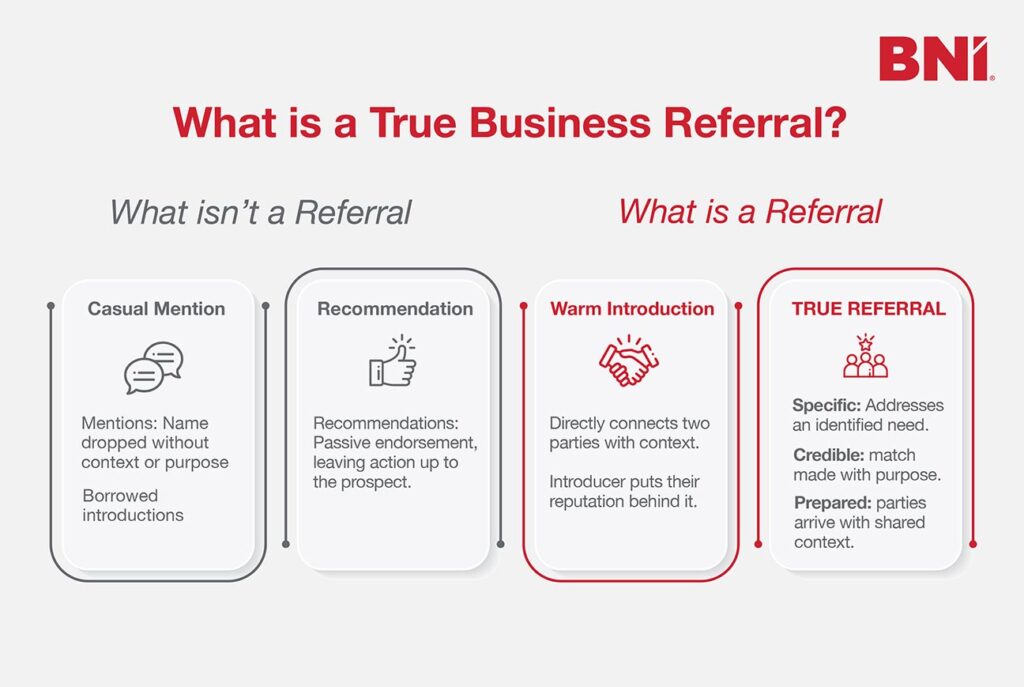
Relational leaders tend to flip it. Who can I help get somewhere? Whose effort could use encouragement, whose next step could use an introduction, whose story could use another Chapter written by someone who showed up for them?
Organizations and systems don’t change outcomes on their own. People do, one relationship at a time. That’s the quieter, less visible engine behind a lot of business growth that gets credited to strategy when it was really built on someone investing in someone else, long before there was anything to gain from it.